Ecommerce merchandising has always influenced revenue. But historically, proving that impact has been difficult. Merchandisers adjust product placements, reorganize categories, and curate collections to improve product discovery. These decisions can significantly influence customer behavior.
Yet when revenue increases or declines, it is often difficult to isolate the role merchandising played. Marketing campaigns receive attribution. Advertising platforms measure performance precisely. But merchandising insights often remain hidden inside operational workflows.
For merchandising leaders, this creates a persistent challenge. How do you know if your merchandising strategy is actually working?
The Missing Visibility in Ecommerce Merchandising
Most ecommerce organizations already have powerful analytics tools. Platforms like Google Analytics and Adobe Analytics provide detailed reporting on traffic, engagement, and revenue. But these tools were designed primarily for marketing and performance analysis.
Merchandisers often struggle to translate this information into clear merchandising actions. Analytics dashboards may show: total visits, product views, conversion rates, and revenue per visit. But they rarely connect those metrics directly to the merchandising decisions happening inside the product grid.
As a result, merchandising teams often operate without a clear performance feedback loop.
Introducing KPI Impact Studio
Smart Merchandiser’s KPI Impact Studio was designed to solve this problem.
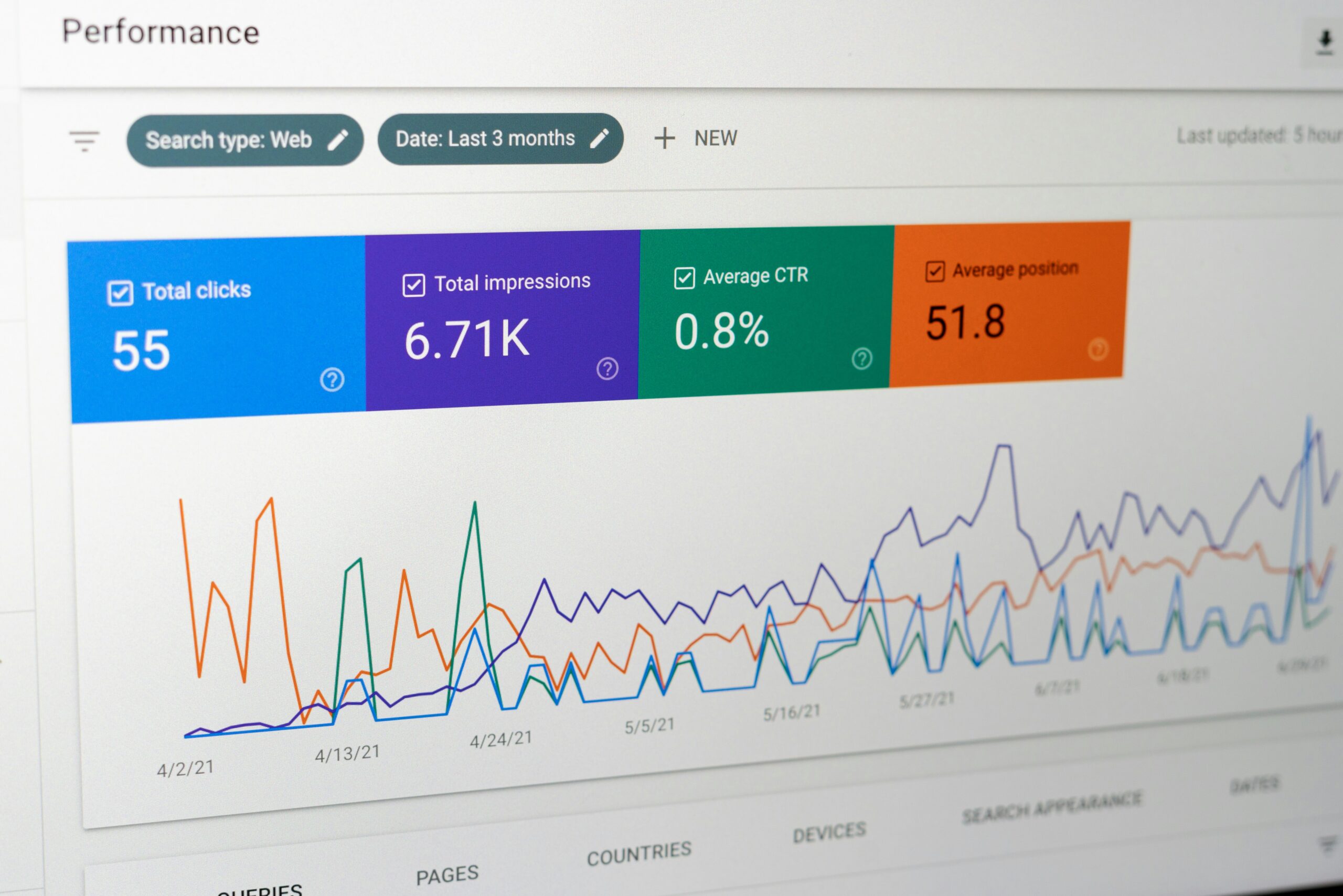
Instead of presenting analytics as abstract reports, KPI Impact Studio organizes ecommerce performance into four clear merchandising perspectives: traffic, product engagement, conversion and revenue. Each KPI is visualized through simple trend graphs and performance indicators, allowing merchandisers to quickly understand whether key metrics are improving or falling behind expectations.
Metrics that exceed goals appear in green. Metrics falling below expectations appear in red. This visual structure makes it easy for merchandising teams to identify which areas require attention.
Turning Performance Signals into Merchandising Action
The real power of KPI Impact Studio lies in how it connects performance signals to merchandising decisions. When conversion declines, merchandisers can investigate product discovery issues. When product engagement drops, teams can examine category organization or product placement. When revenue trends shift, merchandisers can analyze whether product visibility aligns with customer demand.
Instead of relying on intuition alone, merchandising teams gain a structured view of how their decisions influence performance across the ecommerce funnel.
From Merchandising Execution to Merchandising Strategy
When merchandising teams gain access to this level of visibility, their role evolves. They are no longer simply managing the product grid. They become strategic partners responsible for improving product discovery and driving revenue growth.
Merchandising decisions become measurable. Optimization becomes continuous.
And the storefront becomes a dynamic environment shaped by data-informed decisions.